Three business models
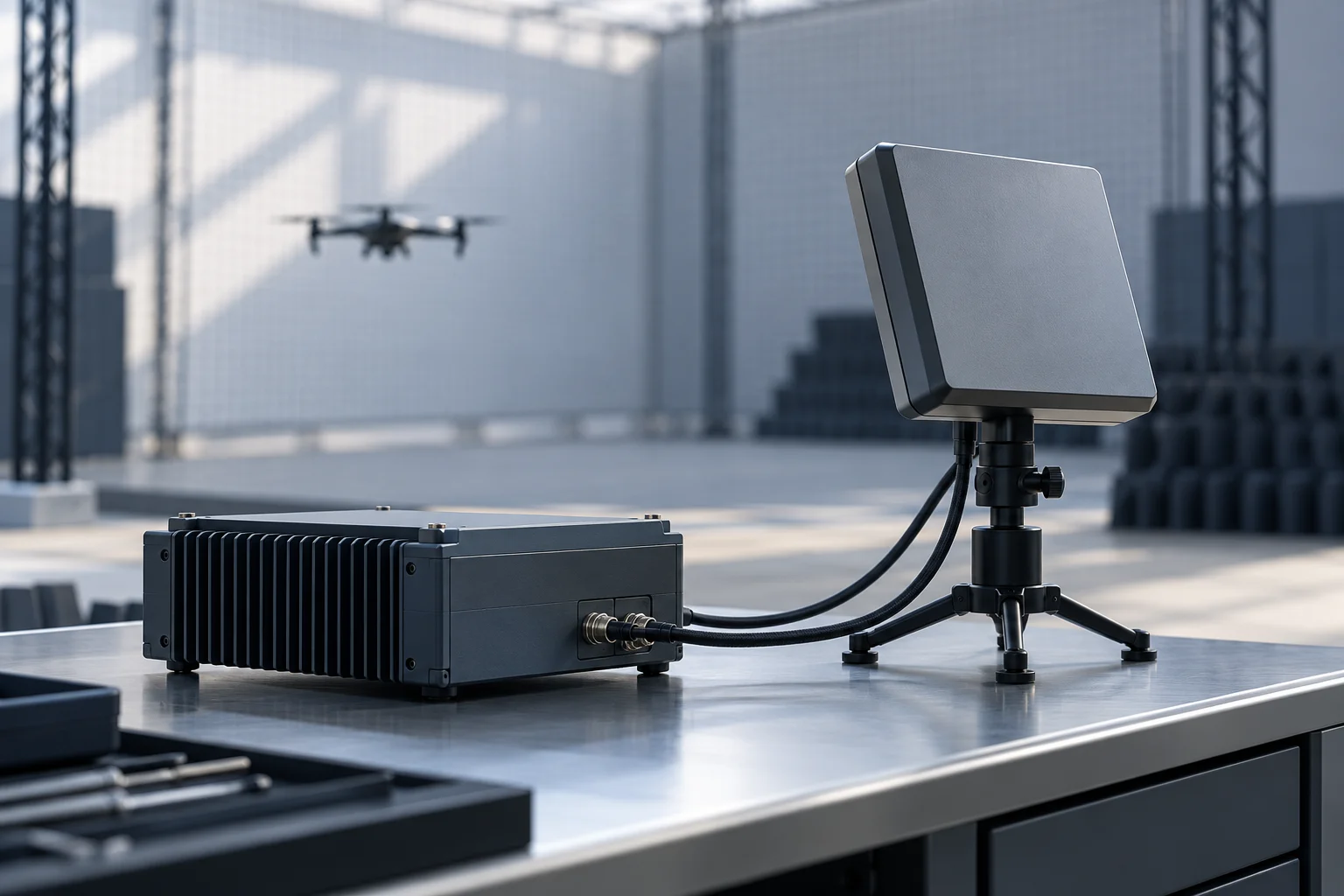
Technical services
Focused C-UxS field engineering, manufacturer technical support, demonstrations, integration troubleshooting, and operational evaluations. Defined scope, engineering deliverables, and technical handover.
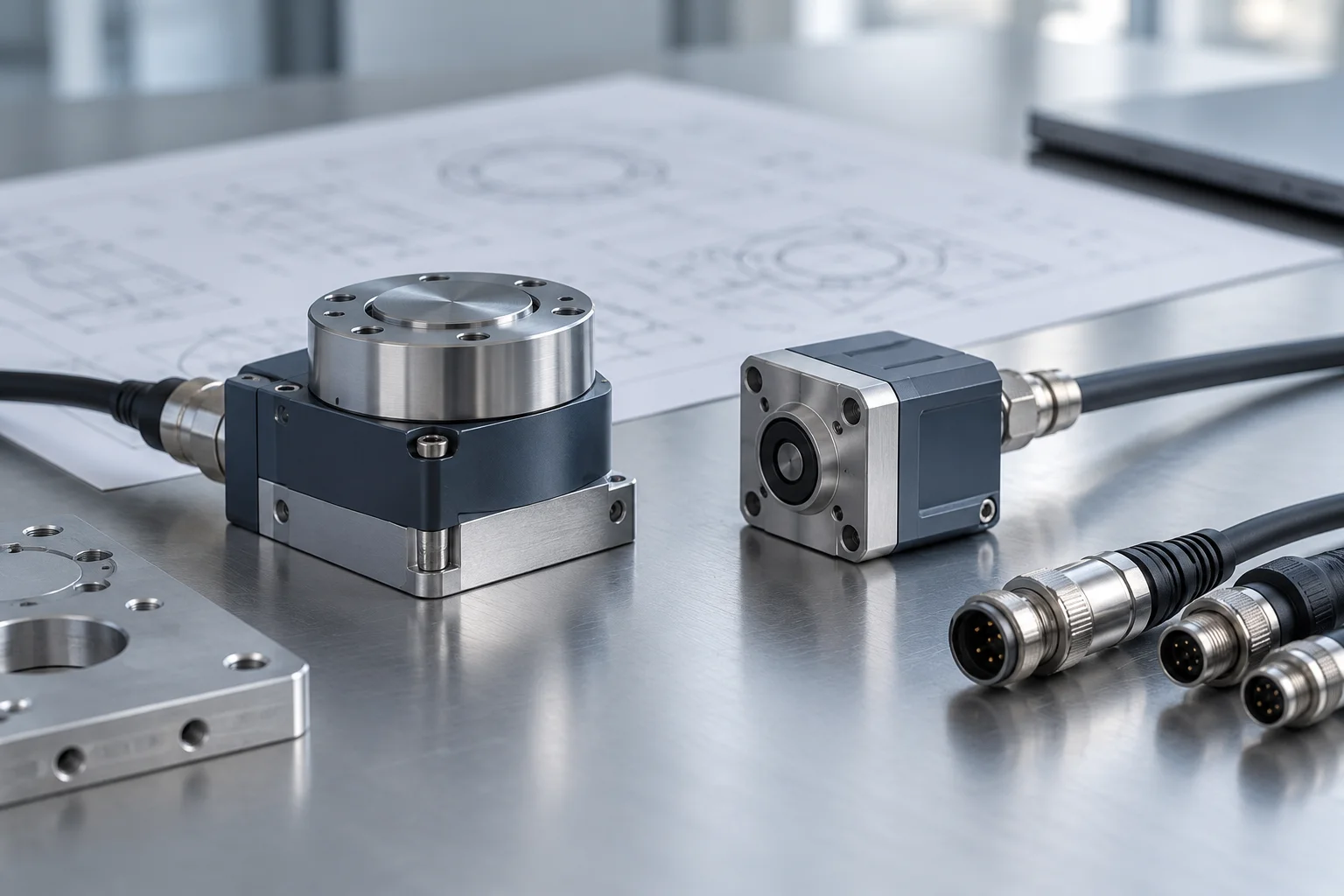
Integrated solution delivery
Requirements-led technology research, solution architecture, supplier coordination, sensor and Command and Control integration, deployment planning, and validation. Project milestones and acceptance criteria agreed up front.
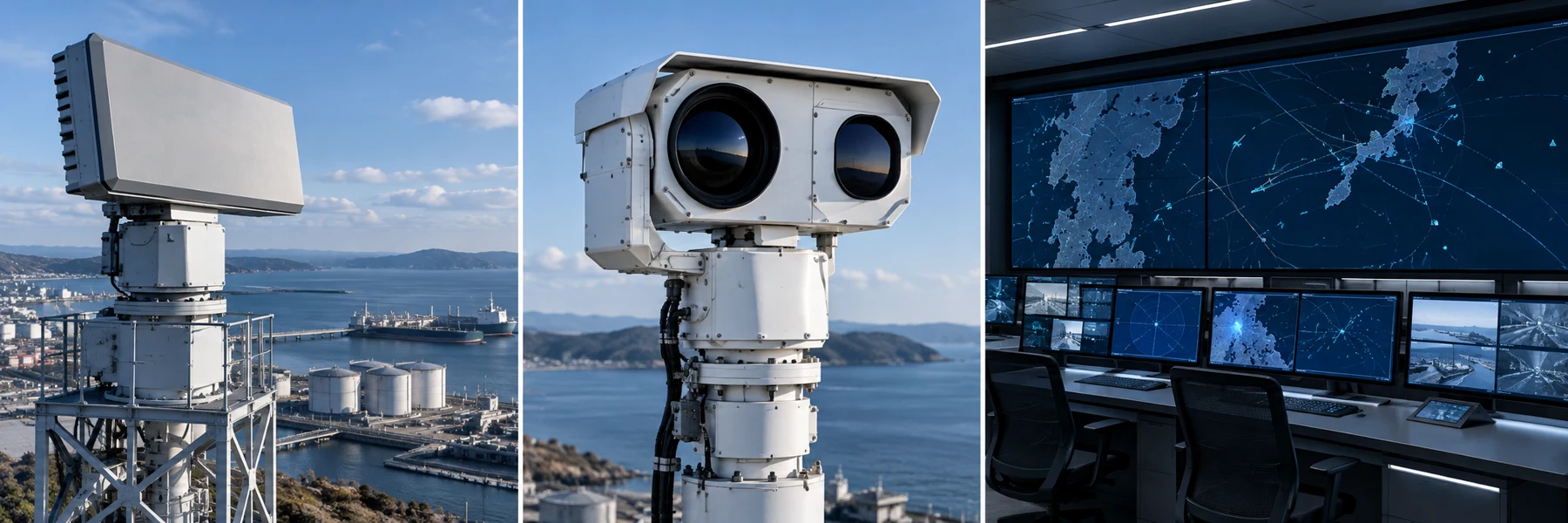
Managed capability delivery
Capability-as-a-Service: a defined operational capability supported over an agreed term. Configuration management, health checks, maintenance coordination, operator support, and performance reporting are scoped to the site and contract. Equipment ownership, staffing, service levels, and renewal terms are agreed for each engagement.
C-UxS, integrated security & mission systems
C-UxS field engineering
Support requirements translation, radar/RF/EO-IR and C2 interfaces, demonstrations, field evaluation, troubleshooting, and documented handover.
Mission-focused sensor integration
Coordinate sensor selection, coverage assumptions, power and network dependencies, track presentation, and operator workflows.
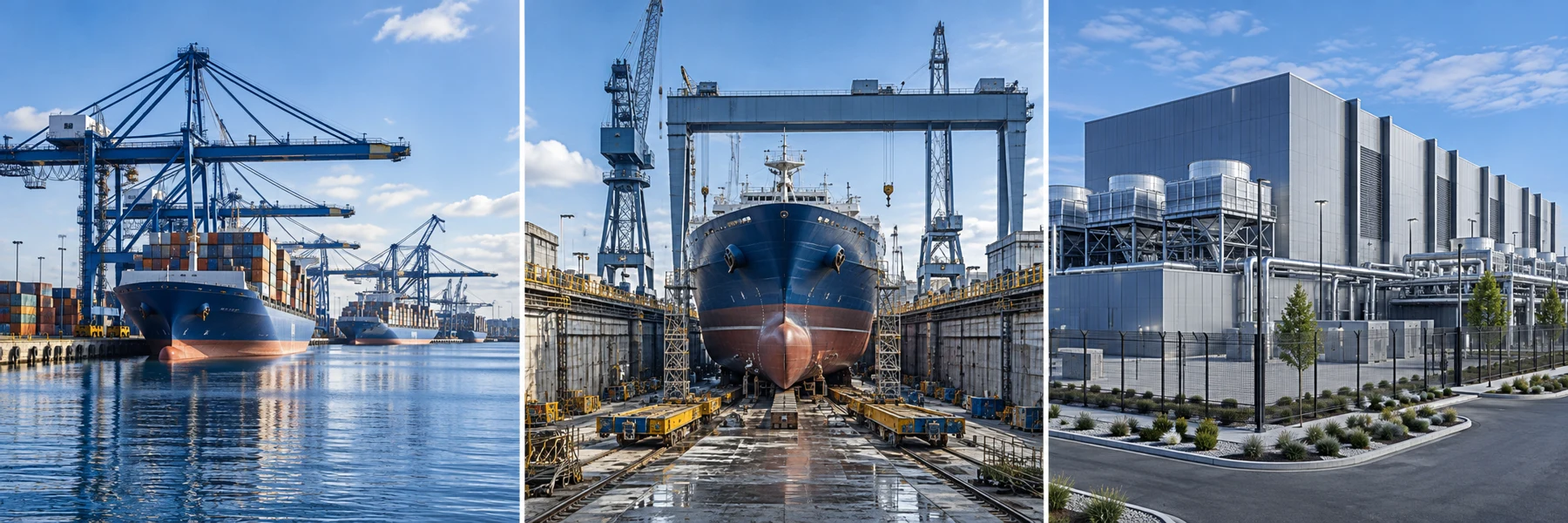
Critical infrastructure integration
Develop integrated security approaches for ports, shipyards, data centers, utilities, and other essential sites. Document site constraints and operational continuity needs.
Concept imagery illustrates fictional facilities and generic equipment. Named aviation locations are illustrative targets, not customers; no manufacturer affiliation is implied.
Complementary services
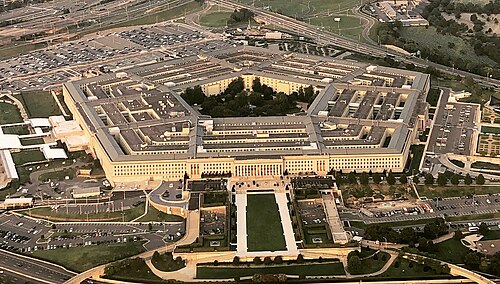
Defense Program Support
Technical coordination, requirements and evaluation support, review inputs, and implementation planning for manufacturers, prime contractors, and government teams.
Solutions Architecture
Translate mission requirements into system boundaries, interfaces, data flows, technical options, and a phased delivery roadmap.
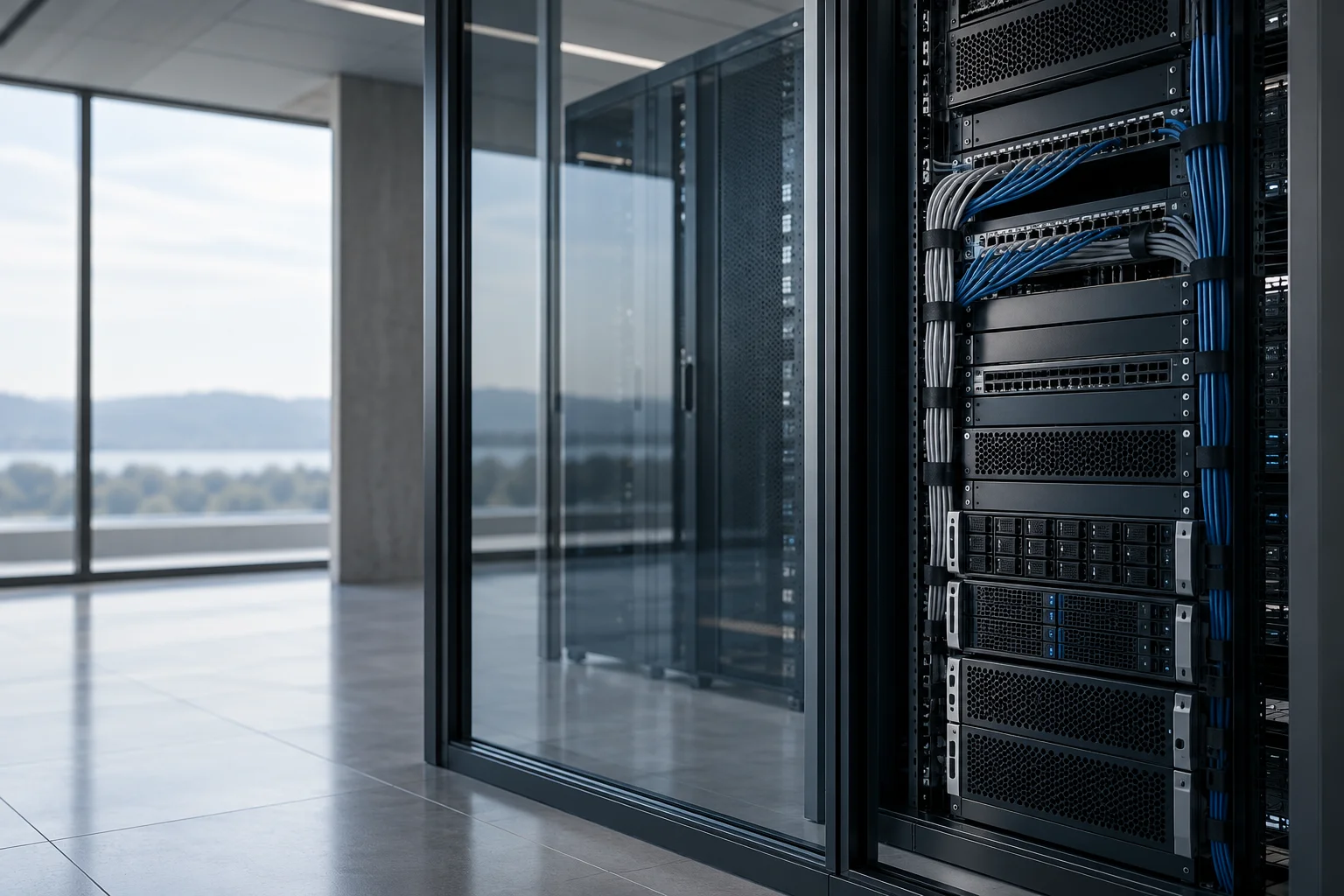
IT & security architecture
Review secure networking, access boundaries, system dependencies, cyber resilience, and existing API endpoint configuration. Translate findings into architecture recommendations and a phased engineering roadmap supporting the integrated mission.
Physical security integration & technical advisory
Connect radar, RF sensing, electro-optical/infrared (EO/IR) cameras, secure networks, and C2 interfaces to the site's security workflow. Sutton Harbor helps teams assess coverage assumptions, identify integration dependencies, define operator responsibilities, and plan demonstrations and acceptance checks. Deliverables may include interface checklists, system architecture, evaluation findings, issue logs, and technical handover material.
Manufacturers and integration partners can engage Sutton Harbor for supplemental field engineering, customer demonstrations, integration troubleshooting, technology evaluation, and requirements-led solutions architecture. Scope and responsibilities are agreed for each assignment.
Operational focus areas
Engineering priorities vary by environment. These are capability focus areas, not a list of completed projects or customers.
Ports, harbors & shipyards
Plan maritime and landside awareness, waterfront and perimeter monitoring, sensor interfaces, and coordination with existing security operations. Address dry docks, vessel repair areas, access routes, and high-value assets.
Private aviation & FBOs
Define drone detection and awareness needs, reporting procedures, sensor placement assumptions, and operator workflows for business aviation facilities and fixed-base operators (FBOs).
Critical infrastructure, utilities & data centers
Assess physical security sensor integration alongside power, network, access, resilience, and continuity dependencies. Build a requirements baseline and phased integration plan for essential facilities.
Government, military & defense contractors
Support requirements analysis, technology evaluation, technical proposal inputs, design reviews, field engineering, and mission-system integration for government teams, manufacturers, and prime contractors.
Offshore platforms & launch infrastructure
Plan maritime situational awareness, mission-focused sensing, secure connectivity, field evaluation, and technical support for offshore platforms, sea-based launch and recovery infrastructure, and shore facilities.
Technology manufacturers & integration partners
Add engineering capacity for demonstrations, sensor/C2 interface planning, configuration checks, troubleshooting, and documented technical handover. Align evaluation criteria with the customer's operating environment.
Agree the capability and its limits.
Each engagement defines deliverables, supplier responsibilities, acceptance criteria, support arrangements, and customer operating responsibilities. Detection and awareness do not imply authority to disrupt or interdict uncrewed systems; any response capability depends on applicable authority and site-specific review.
Discuss an Engagement